


Showing all 4 results
-
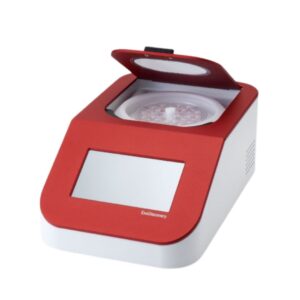
ExoDiscovery B-100 – Automated Extracellular Vesicle Isolation
$15,000.00 Add to cart -
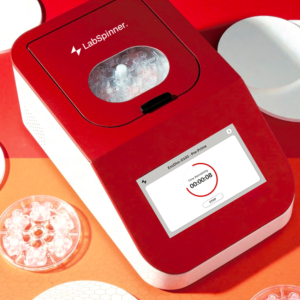
ExoDiscovery B-200 – Automated Extracellular Vesicle Isolation
$18,900.00 Add to cart -
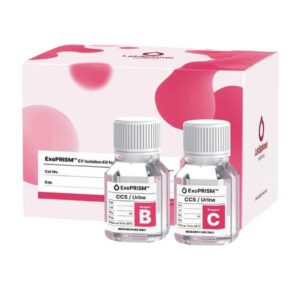
ExoPRISM CCS & Urine
$2,115.00 Add to cart -
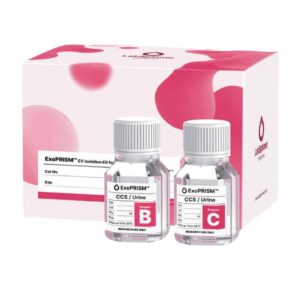
ExoPRISM Plasma & Serum
$2,115.00 Add to cart
Extracellular Vesicle Isolation Solutions
Extracellular vesicle (EV) isolation technologies have become essential tools in modern biomedical research, enabling scientists to study cell-to-cell communication, disease mechanisms, biomarker discovery, and therapeutic development. As interest in exosomes and other extracellular vesicles continues to grow, reliable isolation methods are critical for obtaining high-purity samples and generating reproducible research results.
At Altium, we offer advanced extracellular vesicle isolation solutions designed to support life science research, translational medicine, liquid biopsy applications, and regenerative medicine studies. Our technologies help researchers efficiently isolate and characterize extracellular vesicles from a wide range of biological samples.
What Are Extracellular Vesicles?
Extracellular vesicles (EVs) are membrane-bound nanoparticles naturally released by cells into the extracellular environment. These vesicles carry proteins, lipids, RNA, DNA fragments, and other biomolecules that play important roles in intercellular communication.
Major extracellular vesicle categories include:
- Exosomes
- Microvesicles
- Apoptotic bodies
Because EVs contain molecular information originating from their parent cells, they have become valuable targets for diagnostics, biomarker discovery, and therapeutic research.
Why Is Extracellular Vesicle Isolation Important?
The quality of extracellular vesicle research depends heavily on the ability to isolate EVs efficiently while minimizing contaminants.
Effective EV isolation enables researchers to:
- Improve sample purity
- Increase reproducibility
- Enhance downstream molecular analysis
- Reduce contamination from proteins and cellular debris
- Obtain reliable biomarker data
- Support clinical and translational research applications
High-quality isolation methods are particularly important when working with low-abundance vesicles or complex biological samples.
Common Sources of Extracellular Vesicles
Extracellular vesicles can be isolated from various biological fluids and cell culture systems.
Common sample sources include:
- Blood plasma
- Serum
- Urine
- Saliva
- Cerebrospinal fluid
- Cell culture media
- Tissue-derived samples
The choice of isolation method often depends on sample type, volume, and downstream analytical requirements.
Exosome Isolation Technologies
Exosomes represent one of the most widely studied extracellular vesicle populations due to their role in cellular signaling and disease progression.
Modern exosome isolation technologies support:
- High-purity exosome recovery
- Gentle sample processing
- Improved yield and reproducibility
- Compatibility with downstream analysis techniques
- Scalable workflows for research applications
Advanced isolation platforms help researchers obtain vesicle populations suitable for genomic, proteomic, and transcriptomic studies.
Methods for Extracellular Vesicle Isolation
Extracellular vesicle (EV) isolation technologies have become essential tools in modern biomedical research, enabling scientists to study cell-to-cell communication, disease mechanisms, biomarker discovery, and therapeutic development. As interest in exosomes and other extracellular vesicles continues to grow, reliable isolation methods are critical for obtaining high-purity samples and generating reproducible research results.
At Altium, we offer advanced extracellular vesicle isolation solutions designed to support life science research, translational medicine, liquid biopsy applications, and regenerative medicine studies. Our technologies help researchers efficiently isolate and characterize extracellular vesicles from a wide range of biological samples.
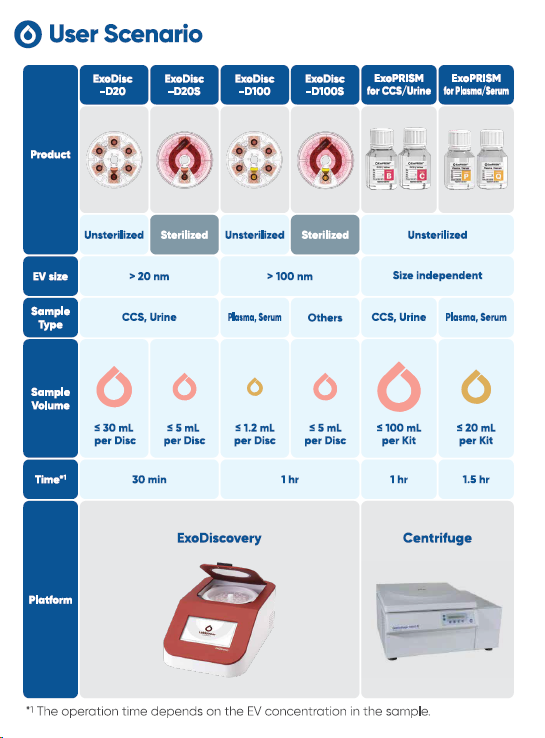
Several techniques are available for EV isolation, each offering distinct advantages depending on the application.
Common methods include:
- Ultracentrifugation
- Size exclusion chromatography (SEC)
- Immunoaffinity capture
- Microfluidic isolation platforms
- Filtration-based methods
- Polymer precipitation techniques
Selecting the appropriate method depends on desired purity, recovery rate, processing time, and analytical goals.
Applications of Extracellular Vesicle Research
Extracellular vesicles are increasingly being investigated across a wide range of scientific disciplines.
Key applications include:
- Liquid biopsy research
- Cancer biomarker discovery
- Neurodegenerative disease studies
- Cardiovascular research
- Regenerative medicine
- Drug delivery development
- Precision medicine initiatives
- Cell-to-cell communication studies
The ability to isolate and analyze extracellular vesicles provides researchers with valuable insights into disease biology and therapeutic response.
Extracellular Vesicles in Liquid Biopsy
Liquid biopsy has emerged as a promising approach for non-invasive disease monitoring and diagnostics.
Extracellular vesicles contribute to liquid biopsy research by providing:
- Disease-specific molecular signatures
- Accessible biomarkers from biofluids
- Real-time insights into disease progression
- Opportunities for early disease detection
- Potential monitoring of treatment response
As liquid biopsy technologies continue to advance, efficient EV isolation remains a critical component of successful biomarker workflows.
Characterization of Isolated Extracellular Vesicles
Following isolation, extracellular vesicles are typically characterized using complementary analytical methods.
Common characterization techniques include:
- Nanoparticle Tracking Analysis (NTA)
- Flow cytometry
- Electron microscopy
- Western blotting
- Dynamic Light Scattering (DLS)
- RNA and protein profiling
Accurate characterization helps confirm vesicle identity, purity, concentration, and biological relevance.
Choosing the Right Extracellular Vesicle Isolation Solution
The optimal EV isolation strategy depends on several factors:
- Sample type and volume
- Desired vesicle population
- Purity requirements
- Recovery efficiency
- Downstream analytical workflows
- Research objectives
Selecting a suitable isolation platform can significantly improve experimental consistency and data quality.
Explore Extracellular Vesicle Isolation Technologies
Discover our portfolio of extracellular vesicle isolation solutions designed to support exosome research, biomarker discovery, liquid biopsy development, and advanced life science applications. Our technologies help researchers obtain high-quality EV samples while improving workflow efficiency and analytical reliability throughout the research process.