


Showing all 4 results
-

VISQUE ART 100 – Compact and Versatile Imaging for Routine Research
-

VISQUE ART 400 – High-Sensitivity Bioluminescence & Fluorescence Imaging
-

VISQUE Insight – High-Resolution Fluorescence Imaging & Analysis
-
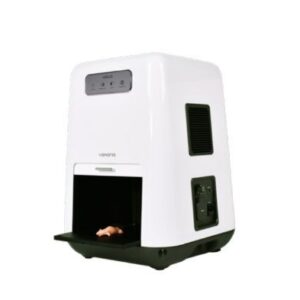
VISQUE SMART-LF – Integrated Bioluminescence and Fluorescence Imaging
Preclinical In Vivo Imaging Solutions
Preclinical in vivo imaging technologies enable non-invasive visualization of biological processes inside living animal models, providing critical insights for drug discovery, disease research, and translational medicine. These advanced imaging systems allow researchers to study anatomical, functional, and molecular changes over time within the same subject, significantly improving data quality and experimental reproducibility.
At Altium, we offer cutting-edge preclinical in vivo imaging solutions designed for pharmaceutical research, oncology, neurology, cardiology, and molecular imaging applications. Our platforms support multimodal imaging workflows that integrate structural and functional data for comprehensive biological analysis.
What Is Preclinical In Vivo Imaging?
Preclinical in vivo imaging refers to the use of advanced imaging modalities to visualize living animals (typically mice and rats) for scientific research purposes. These systems allow researchers to monitor disease progression, therapeutic response, and biological mechanisms without sacrificing the animal at each time point.
Preclinical imaging systems enable:
- Longitudinal studies in the same animal model
- Real-time monitoring of disease progression
- Non-invasive functional and molecular imaging
- High-resolution anatomical visualization
- Quantitative analysis of biological processes
This approach is essential for bridging the gap between basic research and clinical applications.
Major Preclinical Imaging Modalities
Modern preclinical imaging systems integrate multiple modalities to capture complementary biological information.
Key imaging techniques include:
- Optical Imaging (Fluorescence & Bioluminescence) – Molecular and cellular-level visualization
- Magnetic Resonance Imaging (MRI) – High-resolution soft tissue and anatomical imaging
- Computed Tomography (CT) – Structural imaging with excellent spatial resolution
- Positron Emission Tomography (PET) – Functional and metabolic imaging using radiotracers
- Single Photon Emission Computed Tomography (SPECT) – Molecular imaging of physiological processes
- Ultrasound Imaging – Real-time imaging of soft tissue and vascular structures
These modalities are often combined in hybrid systems such as PET/CT and PET/MRI to improve accuracy and diagnostic power.
Advantages of Preclinical In Vivo Imaging
Preclinical imaging provides significant advantages over traditional endpoint-based experimental methods:
- Non-invasive longitudinal data collection
- Reduced number of experimental animals
- Higher statistical power through repeated measurements
- Real-time visualization of biological processes
- Improved translational relevance to human disease
- Quantitative and reproducible imaging data
These benefits make in vivo imaging a cornerstone of modern biomedical research.
Molecular Imaging in Preclinical Research
Molecular imaging allows researchers to visualize biological processes at the cellular and molecular levels inside living organisms.
Key applications include:
- Tracking gene and protein expression
- Monitoring tumor growth and metastasis
- Evaluating immune responses
- Studying receptor-ligand interactions
- Assessing metabolic activity in tissues
By using targeted imaging probes and radiotracers, researchers can gain highly specific insights into disease mechanisms.
Applications of Preclinical In Vivo Imaging
Preclinical imaging technologies are widely used across biomedical research fields:
- Oncology and tumor biology
- Neurological disease models
- Cardiovascular research
- Infectious disease studies
- Drug development and pharmacokinetics
- Immunology and inflammation research
- Regenerative medicine and stem cell tracking
These applications support both basic research and translational drug development pipelines.
Multimodal Imaging and Hybrid Systems
Modern preclinical research increasingly relies on multimodal imaging systems that combine anatomical and functional imaging in a single workflow.
Common hybrid systems include:
- PET/CT
- PET/MRI
- SPECT/CT
These platforms provide complementary information, improving spatial resolution, functional sensitivity, and overall diagnostic accuracy.
Role in Drug Discovery and Translational Research
Preclinical in vivo imaging plays a critical role in pharmaceutical and biotechnology development by enabling:
- Early-stage drug efficacy evaluation
- Pharmacokinetic and pharmacodynamic studies
- Biomarker validation
- Dose optimization studies
- Toxicology and safety assessment
These capabilities accelerate the transition from bench research to clinical trials.
Choosing the Right Preclinical Imaging System
Selecting the appropriate imaging platform depends on several factors:
- Biological question and research goal
- Required spatial and temporal resolution
- Target imaging modality (molecular vs anatomical)
- Sensitivity and quantification needs
- Animal model type and size
- Availability of imaging probes or tracers
- Integration with multimodal workflows
Proper system selection ensures accurate, reproducible, and meaningful experimental results.
Explore Preclinical In Vivo Imaging Solutions
Discover Altium’s preclinical in vivo imaging technologies designed to support advanced biomedical research and drug development. Our solutions enable high-resolution imaging, longitudinal animal studies, and multimodal data integration for comprehensive biological analysis.