


Showing the single result
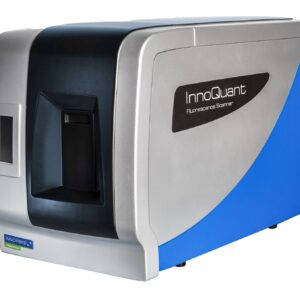
Multiplex Imaging Solutions
Multiplex imaging enables the simultaneous visualization and analysis of multiple biomarkers within a single biological sample, providing a highly detailed understanding of complex cellular and tissue environments. By combining advanced imaging technologies with multi-marker detection strategies, researchers can study spatial relationships, molecular interactions, and cellular heterogeneity with unprecedented resolution.
At Altium, we provide advanced multiplex imaging solutions designed for biomedical research, oncology, immunology, pathology, and drug discovery applications. Our platforms support high-dimensional imaging workflows that help researchers extract more biological information from a single experiment.
What Is Multiplex Imaging?
Multiplex imaging is an advanced microscopy and molecular imaging technique that allows multiple proteins, nucleic acids, or biomarkers to be detected simultaneously in a single tissue or cell sample.
Unlike traditional single-marker imaging, multiplex imaging enables:
- Simultaneous detection of multiple biomarkers
- Spatial mapping of protein expression
- Cellular microenvironment analysis
- Tissue heterogeneity profiling
- High-content biological interpretation
This approach provides a more comprehensive view of biological systems by preserving spatial context.
Why Multiplex Imaging Matters
Biological systems are highly complex, and single-marker analysis often fails to capture this complexity. Multiplex imaging solves this limitation by enabling multi-dimensional data acquisition from the same sample.
Key advantages include:
- Deeper insight into cellular interactions
- Preservation of spatial tissue architecture
- Reduced sample usage
- Higher data density per experiment
- Improved biomarker co-localization analysis
These capabilities are essential for modern translational and precision medicine research.
Multiplex Imaging Technologies
Modern multiplex imaging platforms integrate several advanced technologies, including:
- Immunofluorescence (IF) multiplexing
- Mass spectrometry imaging (MSI)
- Imaging mass cytometry (IMC)
- Cyclic immunofluorescence (cycIF)
- CODEX (co-detection by indexing)
- Spatial transcriptomics integration
These technologies allow simultaneous detection of dozens to hundreds of biomarkers within a single sample.
Applications of Multiplex Imaging
Multiplex imaging is widely used across life science and clinical research domains:
- Cancer tumor microenvironment analysis
- Immunology and immune profiling
- Neurobiology and brain tissue mapping
- Infectious disease research
- Biomarker discovery and validation
- Drug response and mechanism-of-action studies
- Spatial biology and tissue architecture studies
These applications provide critical insights into how cells interact within their native environment.
Multiplex Imaging in Spatial Biology
Spatial biology is one of the fastest-growing fields in biomedical research, and multiplex imaging is a core enabling technology.
Researchers can use multiplex imaging to:
- Map immune cell infiltration in tumors
- Analyze cell-to-cell communication networks
- Identify spatial biomarker distribution
- Study disease progression at tissue level
- Correlate molecular signals with histology
This spatial context is essential for understanding complex diseases such as cancer and autoimmune disorders.
Advantages of Multiplex Imaging
Compared to traditional single-marker imaging, multiplex imaging provides:
- Higher dimensional biological data
- Improved biomarker co-localization analysis
- Reduced experimental variability
- Better tissue context preservation
- More efficient sample usage
- Enhanced translational relevance
These benefits make multiplex imaging a powerful tool for next-generation biomedical research.
Data Analysis in Multiplex Imaging
Multiplex imaging generates large and complex datasets that require advanced computational tools.
Common analysis workflows include:
- Image segmentation and cell classification
- Spatial clustering analysis
- Biomarker co-expression mapping
- Tissue microenvironment modeling
- AI-based image interpretation
Machine learning and AI tools are increasingly used to extract meaningful insights from high-dimensional imaging data.
Applications in Drug Discovery and Precision Medicine
Multiplex imaging plays a critical role in pharmaceutical and clinical research by enabling:
- Target validation in tissue context
- Biomarker discovery and validation
- Drug mechanism-of-action studies
- Patient stratification strategies
- Immune response profiling
These insights improve drug development efficiency and clinical decision-making.
Choosing a Multiplex Imaging Platform
Selecting the right system depends on several factors:
- Number of biomarkers required
- Spatial resolution needs
- Tissue type and sample preparation
- Imaging throughput requirements
- Compatibility with AI and analysis software
- Integration with other omics platforms
Proper platform selection ensures high-quality and reproducible spatial data.
Explore Multiplex Imaging Solutions
Discover Altium’s multiplex imaging technologies designed for high-dimensional spatial analysis, multi-biomarker detection, and advanced tissue characterization. Our solutions empower researchers to uncover complex biological interactions and accelerate discoveries in oncology, immunology, and precision medicine.