


Showing all 2 results
Antibody Discovery & Membrane Kinetics Solutions
Antibody discovery and membrane kinetics technologies play a critical role in modern biologics research, enabling scientists to identify, characterize, and optimize antibodies with greater speed and accuracy. From single-cell screening platforms to advanced surface plasmon resonance microscopy systems, these tools provide detailed insights into antibody functionality, affinity, specificity, and receptor interactions.
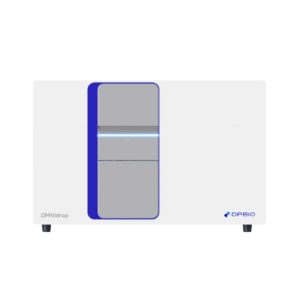
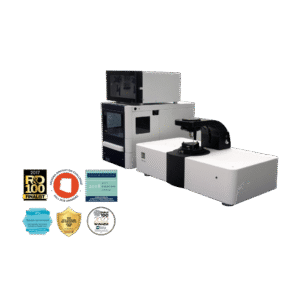
At Altium, we offer advanced instrumentation designed to support every stage of the antibody discovery workflow, from early candidate identification to kinetic characterization of antibody-target interactions. Our portfolio includes innovative droplet microfluidics systems and membrane interaction analysis platforms that help accelerate therapeutic antibody development, immunology research, and translational medicine programs.
What Is Antibody Discovery?
Antibody discovery is the process of identifying antibodies that specifically bind to a target antigen. Researchers use various approaches including single B-cell screening, hybridoma technology, phage display, and microfluidics-based screening to isolate high-performing antibody candidates.
Modern antibody discovery platforms enable:
- High-throughput screening of millions of antibody-producing cells
- Rapid identification of antigen-specific antibodies
- Functional characterization at the single-cell level
- Faster lead selection for therapeutic development
- Improved success rates in biologics programs
By integrating advanced screening technologies, researchers can significantly reduce the time required to identify promising antibody candidates.
Why Binding Kinetics Matter in Antibody Development
Successful antibody candidates are not selected solely based on binding strength. Understanding binding kinetics is essential for evaluating how antibodies interact with their targets over time.
Key kinetic parameters include:
- Association rate (kon): How quickly an antibody binds its target
- Dissociation rate (koff): How quickly the antibody disengages
- Affinity (KD): The overall strength of the interaction
Two antibodies may exhibit similar affinity values while demonstrating very different biological performance due to differences in association and dissociation rates. Detailed kinetic analysis helps researchers select candidates with optimal therapeutic potential.
Single-Cell Antibody Discovery Technologies
Single-cell screening technologies have transformed antibody discovery by enabling researchers to analyze individual antibody-producing cells with unprecedented resolution.
Advanced droplet microfluidics platforms allow:
- Isolation of single B cells
- Detection of antibody secretion
- Real-time functional screening
- High-throughput sorting of rare cell populations
- Identification of highly specific antibody candidates
These capabilities accelerate discovery workflows while reducing reagent consumption and experimental complexity.
Membrane Kinetics Analysis for Cell Surface Targets
Many therapeutic targets are membrane proteins, including GPCRs, ion channels, and receptor tyrosine kinases. Studying interactions directly on living cells provides a more physiologically relevant understanding of antibody behavior.
Membrane kinetics technologies help researchers:
- Measure receptor-ligand interactions in real time
- Evaluate target engagement on live cells
- Characterize membrane protein binding events
- Investigate receptor occupancy and residence time
- Generate actionable kinetic data for lead optimization
These insights support more informed candidate selection throughout biologics development programs.
SPR and Label-Free Binding Analysis
Surface Plasmon Resonance (SPR) is considered one of the gold-standard techniques for antibody characterization and kinetic analysis.
Benefits of SPR include:
- Label-free detection
- Real-time monitoring of molecular interactions
- Accurate measurement of kon, koff, and KD
- High sensitivity for complex biomolecular interactions
- Support for affinity ranking and candidate selection
SPR technologies are widely used in antibody discovery, protein interaction studies, and drug development workflows.
Applications of Antibody Discovery and Membrane Kinetics
Researchers use antibody discovery and membrane kinetics solutions across multiple disciplines, including:
- Therapeutic antibody development
- Immuno-oncology research
- Vaccine development
- Cell therapy programs
- Biomarker discovery
- Autoimmune disease research
- Infectious disease studies
- Receptor biology and signaling research
These technologies provide the analytical depth required to advance next-generation biologics from discovery through characterization.
Choosing the Right Antibody Discovery Platform
Selecting the appropriate platform depends on several factors:
- Target type and complexity
- Throughput requirements
- Desired screening strategy
- Kinetic characterization needs
- Cell-based assay requirements
- Downstream development goals
Integrated workflows that combine single-cell discovery, functional screening, and kinetic characterization can significantly improve candidate quality while reducing development timelines.
Explore Antibody Discovery & Membrane Kinetics Instruments
Browse our collection of antibody discovery and membrane kinetics solutions designed to support advanced biologics research. Whether you are screening rare antibody-producing cells, measuring receptor interactions, or performing detailed kinetic characterization, our technologies help generate reliable data for informed decision-making throughout the discovery process.