


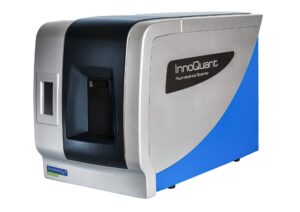
Digital Slide Scanner Solutions
Digital slide scanners have transformed pathology, histology, and life science research by enabling the rapid conversion of traditional glass microscope slides into high-resolution digital images. These advanced imaging systems support efficient slide digitization, streamlined workflows, remote collaboration, and AI-powered image analysis.
At Altium, we provide digital slide scanning solutions designed for pathology laboratories, research institutions, pharmaceutical organizations, and academic facilities. Our systems deliver exceptional image quality, reliable automation, and scalable workflows for modern digital pathology applications.
What Is a Digital Slide Scanner?
A digital slide scanner is an imaging system that captures high-resolution images of entire microscope slides and converts them into digital files for viewing, analysis, storage, and sharing.
Unlike conventional microscopy, digital slide scanners enable users to access whole-slide images from any location while maintaining image quality and diagnostic accuracy.
Digital slide scanning technologies support:
- Whole slide imaging (WSI)
- High-resolution pathology imaging
- Histology slide digitization
- Cytology image capture
- Remote pathology workflows
- AI-assisted image analysis
By digitizing glass slides, laboratories can improve efficiency while creating long-term digital archives for research and clinical applications.
Benefits of Digital Slide Scanning
Digital pathology workflows offer significant advantages over traditional microscopy methods.
Key benefits include:
- Faster slide review and analysis
- Secure digital storage and archiving
- Improved collaboration among researchers and pathologists
- Remote access to slide images
- Reduced risk of slide damage or loss
- Enhanced workflow standardization
- Integration with artificial intelligence tools
These capabilities help laboratories improve productivity while supporting data-driven decision-making.
Whole Slide Imaging (WSI) Technology
Whole Slide Imaging (WSI) is the foundation of modern digital pathology. WSI systems capture entire tissue sections at high magnification and create navigable digital images that replicate the experience of examining a slide under a microscope.
Advanced WSI platforms provide:
- High-resolution image acquisition
- Accurate color reproduction
- Fast scanning speeds
- Multi-layer focus capabilities
- Automated slide handling
- Large-scale image management
These features make WSI technology an essential component of pathology, oncology, and biomedical research workflows.
Applications of Digital Slide Scanners
Digital slide scanners are widely used across a variety of scientific and clinical disciplines.
Common applications include:
- Anatomic pathology
- Histopathology research
- Cancer diagnostics
- Drug discovery and development
- Toxicology studies
- Academic teaching and training
- Biomarker analysis
- Tissue-based research programs
By generating high-quality digital images, slide scanners enable more efficient analysis and collaboration throughout the research and diagnostic process.
Digital Pathology and Remote Collaboration
The adoption of digital pathology has expanded opportunities for remote consultation and collaborative diagnostics.
Digital slide scanners allow users to:
- Share slide images instantly
- Support telepathology programs
- Facilitate second-opinion consultations
- Enable multi-site research collaborations
- Improve access to specialist expertise
Remote access capabilities are particularly valuable for distributed research teams and healthcare networks seeking to enhance diagnostic efficiency.
AI and Image Analysis Integration
Artificial intelligence is becoming increasingly important in pathology and life science research.
Modern digital slide scanners can integrate with image analysis software to support:
- Automated tissue detection
- Cell counting and classification
- Biomarker quantification
- Tumor segmentation
- Pattern recognition
- Predictive analytics
Combining digital pathology with AI-driven analysis helps researchers and clinicians extract deeper insights from complex image datasets.
Key Features to Consider When Choosing a Digital Slide Scanner
Selecting the right digital slide scanner depends on laboratory requirements and workflow demands.
Important considerations include:
- Image resolution and quality
- Scanning speed
- Slide capacity and automation level
- Brightfield and fluorescence imaging support
- Software compatibility
- Data storage requirements
- AI and image analysis integration
- Regulatory and validation requirements
Evaluating these factors helps ensure the selected system aligns with both current and future laboratory needs.
Digital Slide Scanners for Research and Clinical Workflows
Whether supporting translational research, pathology diagnostics, pharmaceutical development, or academic studies, digital slide scanners provide a reliable foundation for modern imaging workflows.
Advanced slide digitization technologies improve data accessibility, enable scalable image management, and support more efficient collaboration across laboratories and institutions.
Explore Digital Slide Scanner Solutions
Browse our portfolio of digital slide scanners designed to deliver high-resolution whole slide imaging, automated slide digitization, and seamless integration with digital pathology workflows. Our solutions help laboratories accelerate research, improve operational efficiency, and unlock the full potential of digital imaging technologies.